We just spent the last week and change hanging out in various places along the Brazilian coastline – Paraty, Saco do Mamangua and Picinguaba.
Just because you have no electricity and only occasional hot water shouldn’t mean it is an Eco Lodge, a trendy overused word in my opinion. Very similar to every brand claiming they are Organic. We were staying at a legit Eco Lodge in Saco do Mamangua, Brazil. It did not have mobile coverage or WiFi coverage, electricity came from a generator that was only on for four hours per day with additional lights that were solar to be used when the generator wasn’t on, and the water came from the natural spring nearby.

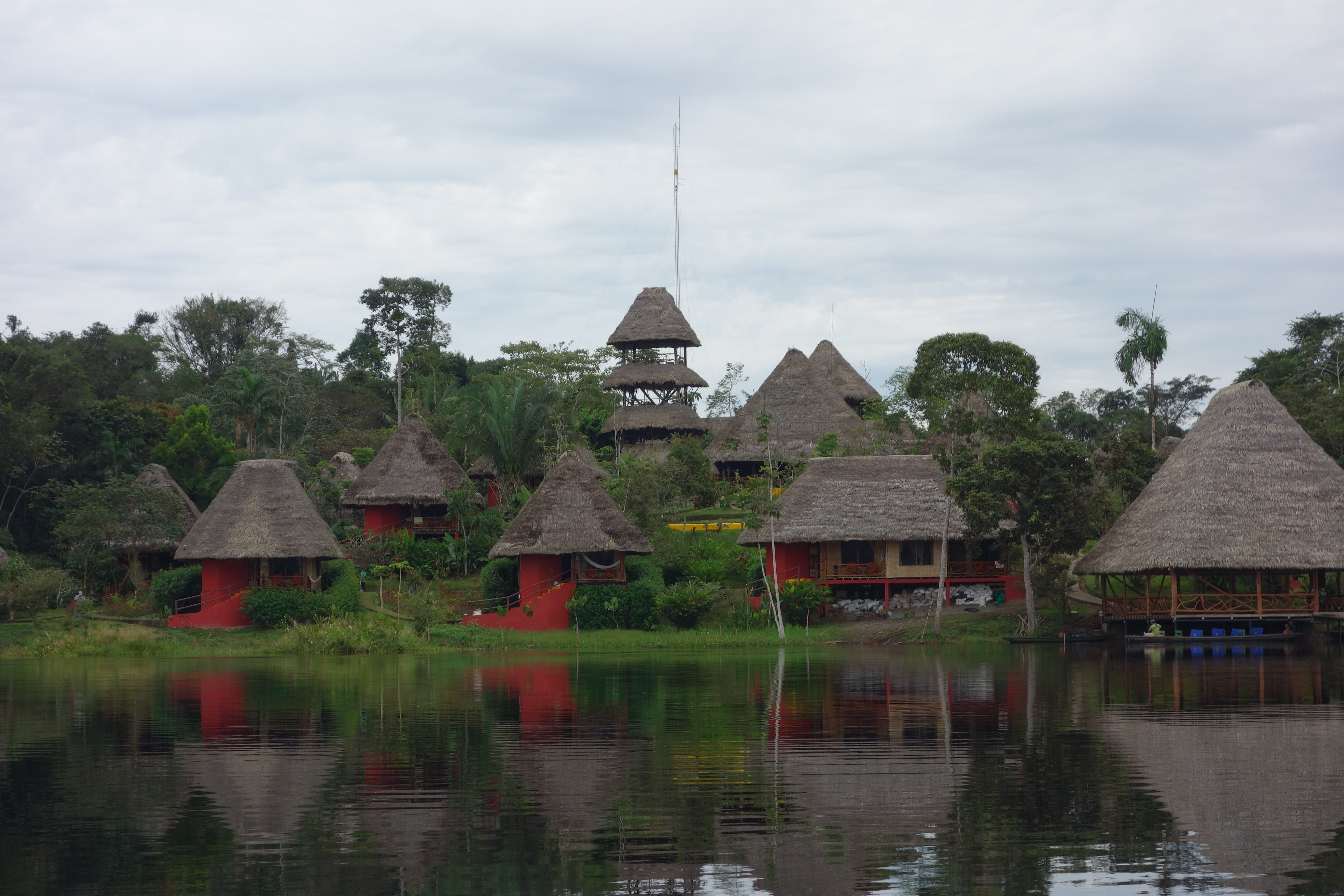
eco lodge overlooking river.
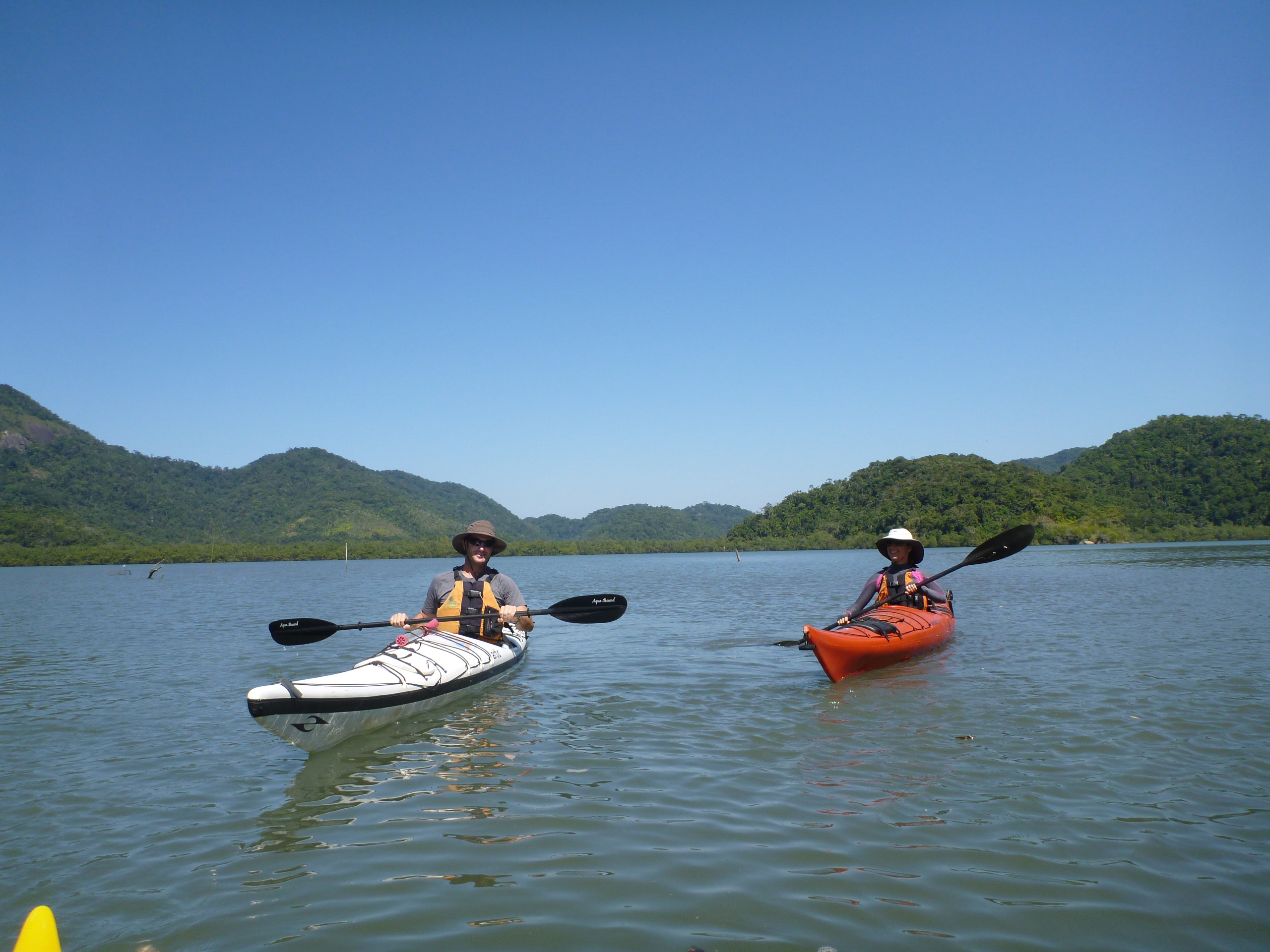
We spent two days at Mamangua Eco Lodge sitting on a river south of Rio where calm warm water flows into a dense rainforest surrounding all sides of the river. Breakfast, like every South American morning, was a delightful buffet of locally grown (as in on the property) passion fruits, oranges, bananas and a few other fruits I can’t pronounce or write, fresh baked breads, some strange meat we stayed away from, the now famous (from our last blog) fresh juices like avocado and pineapple and the deep dark non bitter coffee to top it off. We were on a kayak for most of the time…yep, packed it up with a few extra clothes and some hiking shoes. Thanks to our skilled guide, Christian, who is a kayak expert! Off we went from a small off the beaten path beach area where we kayaked about 5 miles to our sleeping Eco Posada (Brazilian name for Inn or small hotel). Each day we ventured out to check out the waterfalls, mangrove forest and whatever else peaked our interest along the shore.
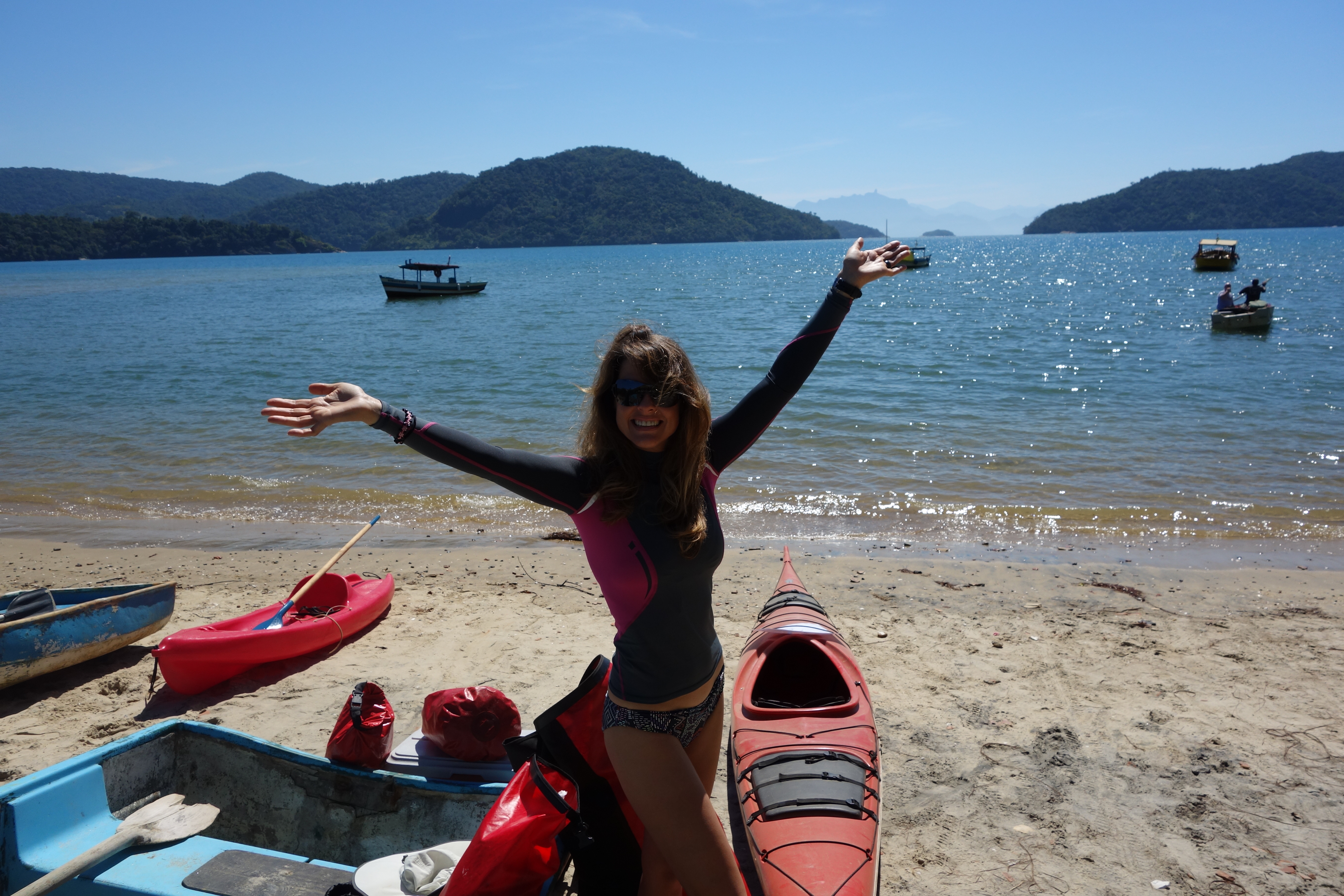 As Linda sped by me I quickly learned paddling is not about strength, it is about rhythm and technique. Like golf the harder you swing the more distance you lose. A good life lesson is here, like in sports life isn’t about using braun always, the bull in the china shop can only get you so far. Relax, let it happen and always look smooth:).
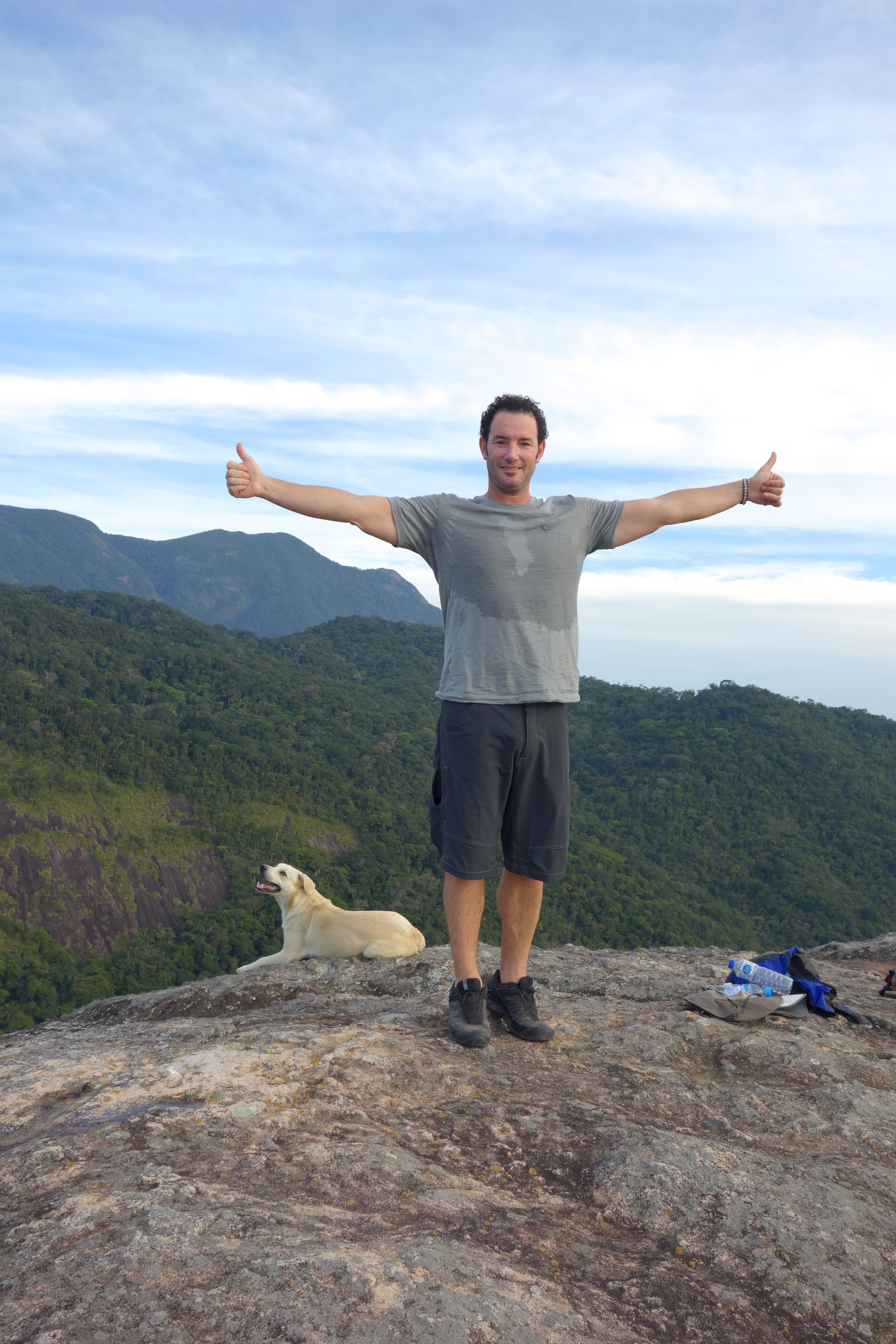
 One afternoon we decided to beach the kayaks and take a hike. Sea level to 1,800 feet in less than an hour traveling only a few hundred yards horizontally which means it was basically straight up. Thighs started burning five minutes and then the calves started but we knew the reward of the sights was going to be well worth it. Not to mention that we knew we had the Inca Trail four day hike and haven’t trained at all. To make matters worse, last night was the first dinner we didn’t have dessert for the entire trip, that’s almost 30 days of dessert every night. On to the hike, a stray dog followed us all the way to the top of the mountain which was fun because it reminded us of Wiley even though I would have been carrying him within the first fifty yards. We ended up on top of a massive rock and just chilled for 30 minutes taking in the sights before heading backdown, which was equally as difficult as the way up.
The last day we met with a local craftsman named Dico who builds single tree boats (one tree basically carved out so the entire boat is one piece), like his forefather built boats. He would hike up to the mountains and find a massive tree, 20 feet wide (we are talking redwood forest and Amazon big) cut it down and with an ax and other hand tools, and then slowly work it into a shape of a large canoe. At this point he would have worked in the rainforest for 6 months, then he would head down to the village to gather 20-30 men to follow him back and then they would all start maneuvering the 1 ton hunk of wood down the the beach where he’d finish the work. This is now a lost art, and the culture is being lost as well. It is a complex topic, you want to know where you came from but want a better life for your kids. So where does this leave the next generation? Do as their parents or move forward? The kids in this town take a one hour boat ride then a one hour bus ride everyday to get to school. Is this a good balance of educating but still living in a small isolated village? I asked if they would rather the kids stay with them in the village and make a life there or go to college and and end up working a corporate job in Rio. I didn’t really get a clear answer from any of the elders I asked which shows how complex these realities can become.

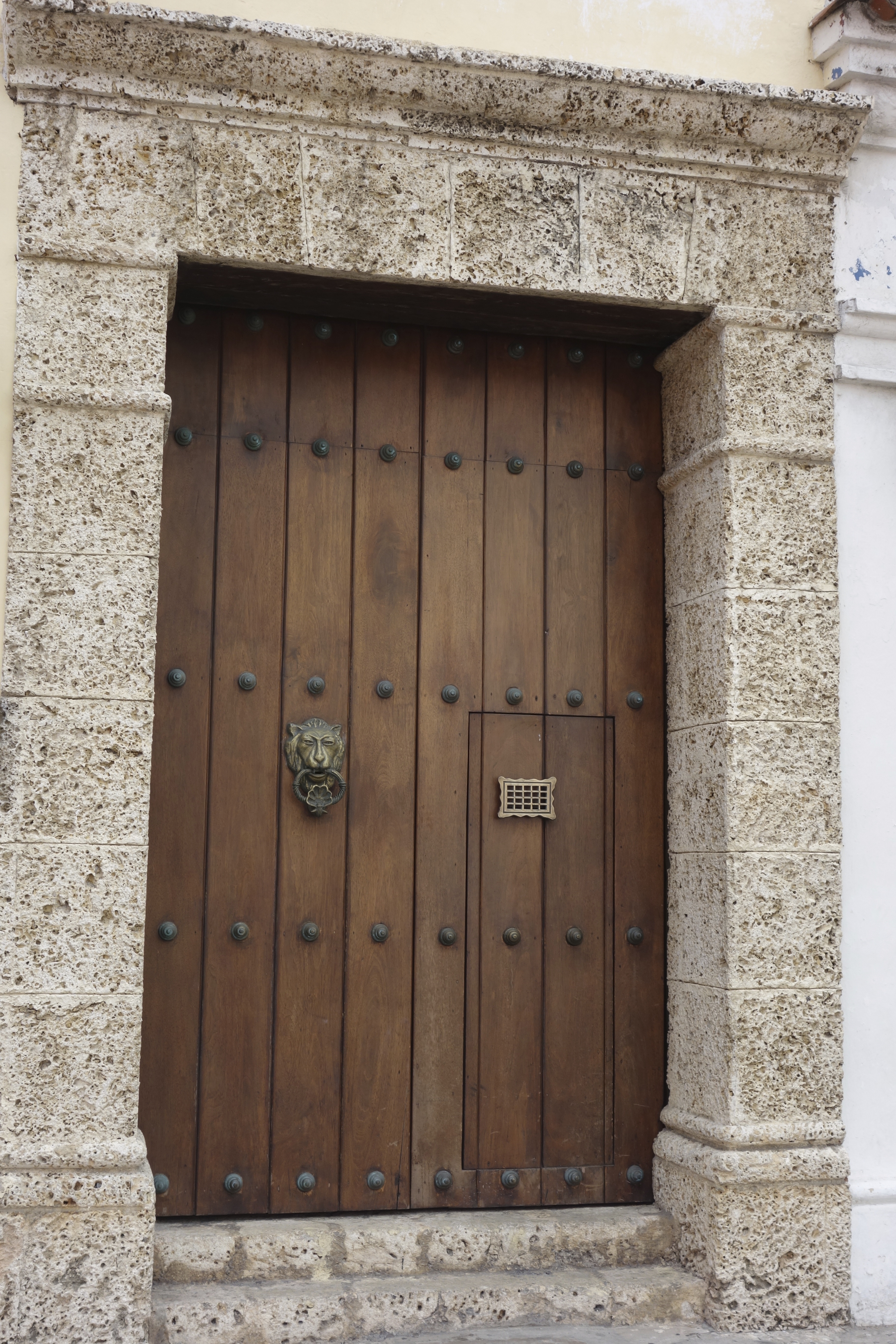
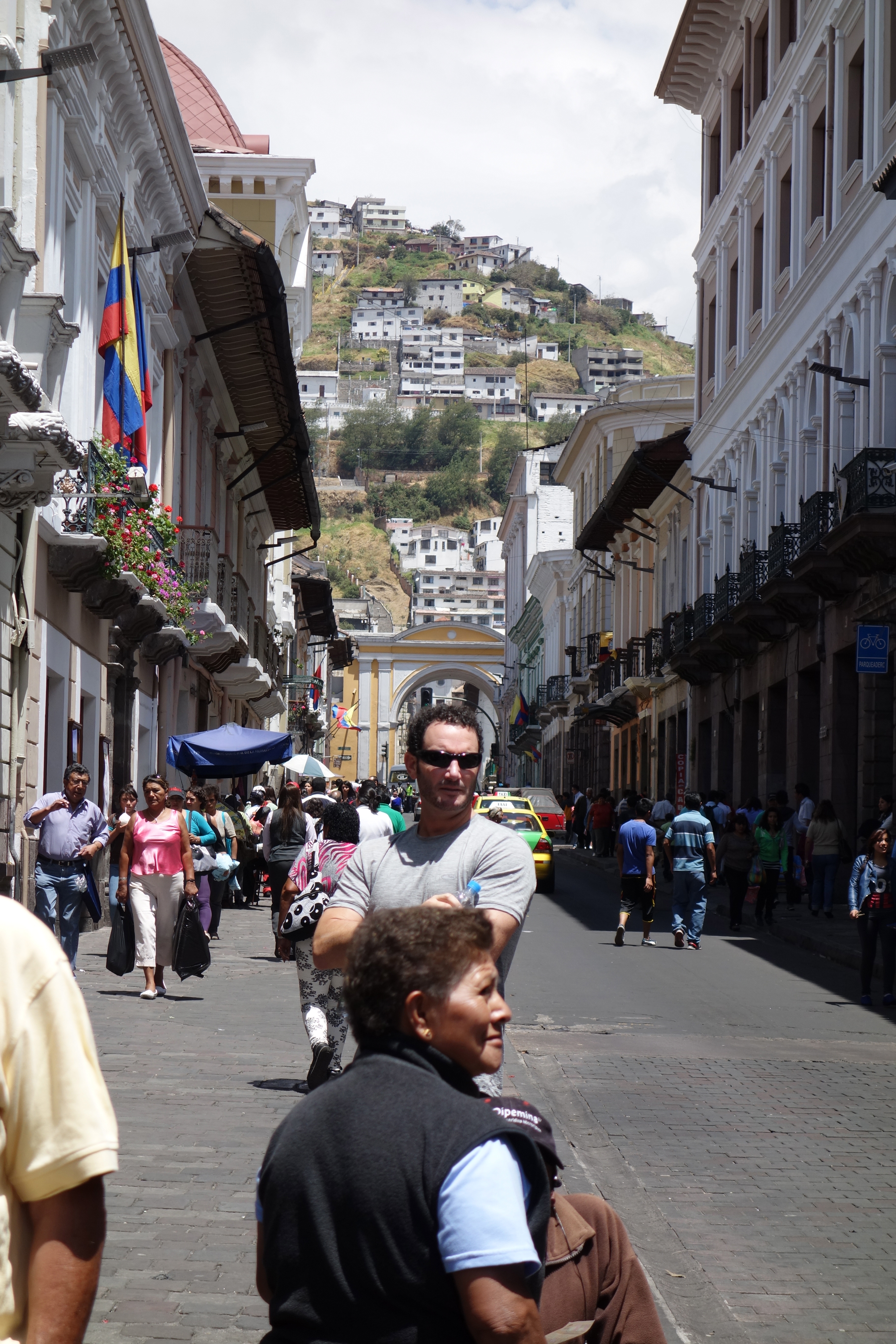
Streets of Paraty
Now you won’t hear me complain about Paraty our next stop, a small colonial village preserved due to being abandoned for over hundred years. The main port used to ship gold back to Europe around the 1700’s but lost its luster when the rail system was developed. Then in the 1800’s coffee was grown and flourished in this small town and it came back from the dead with a vengeance like Jason in Friday the 13th. Now it flourished as the most popular side show for the wealth from San Paulo and Rio boasting 9 helicopter pads just outside the town limits. As we pulled in by car we knew it was our kind of place; no traffic lights, no cars allowed in most of the 33 blocks (each block is 50 ft), and on the beach with narrow walking stone streets. The number 33 is important because this was the Freemasons favorite number and the town was built by Freemasons, get it now? Yet it had all the conveniences you could ask for, a mini mart for late night snacks and a few great restaurants. What else could a traveling man ask for? A dinner in front of live Brazilian Bossa Nova music made us feel like we belonged, well…not really. We thought the music was French until our waitor confirmed it was classic Brazilian music and that we didn’t recognize it because all tourist go to Rio and listen to Samba.
…switching to Linda now…
After our kayaking wilderness stay, Christian took us back to Paraty Mirin (where we launched the kayaks) and then to Picinguaba, which is a small fishing town. On the way we stopped in a little beach town called Trindade (Trin-da-day). So cool! We had a picnic lunch with us, but Greg and I wanted to hang at a little beach side restaurant/bar to have some drinks (shocker). When I say beach side, I am talking ON the sand about 5′ from the water.
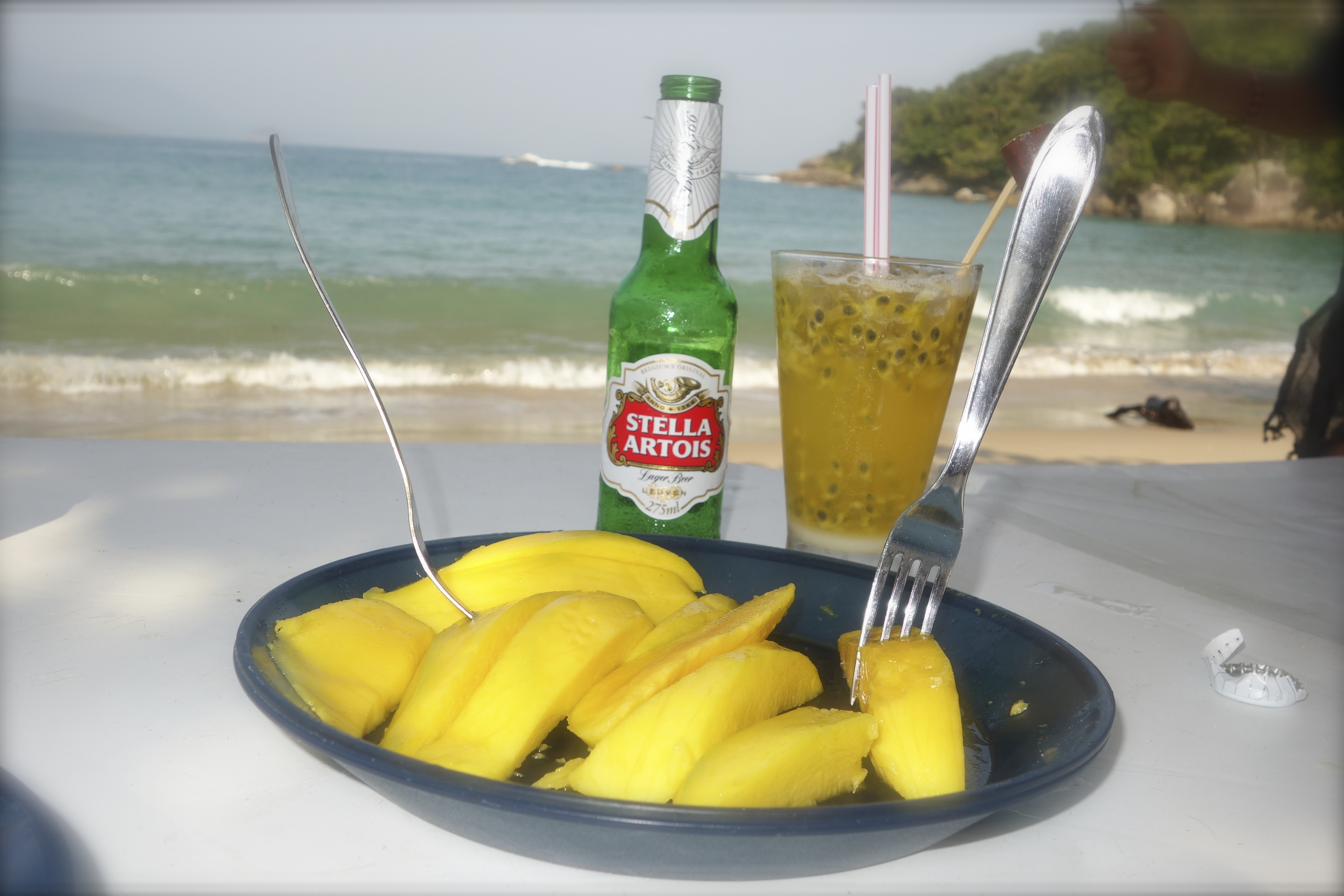 Behind us there was a local guy playing the guitar and also plenty of fun people watching. Gotta love guys in Speedos and ladies letting it all hang out in teeny weenie bikinis, despite their body type. As I sipped my passion fruit Caipirinha (kipe-pir-enn-ya) made with the locally distilled sugar cane liquor, called Cachaça (ka-shas-sa), Greg threw back some of the local beer know as Skoal. The town was maybe a street long with it’s fair share of stray cats and dogs. I fed half of my sandwich to a small kitty and when he was chased away by the dog, I fed the dog. Once lunch for me (and my new pets for the day) was complete off we went to our next hotel, Pousada Pininguaba in the town called Picinguaba…very clever name. :-). Picinguaba means “the fishes’ refuge” in the indigenous Tupi-Guarani language, spoken by the Tupi people who first inhabited the area. As we pulled in town in Christian’s tank of a van, pulling our three kayaks on a huge trailer, we saw a black lab mix running up and down the beach chasing ominous black volchures. This tiny town was clearly a working fishing town. We unloaded the van and had to walk across the beach to get to the Pousada. We saw old wooden fishing boats, nets and old salty dog fisherman doing their magic. Unloading fish from old, really old wooden fishing boats alongside another group of salty dogs shucking our equivalent of mussels. Dinner that night was…you guessed it…fish! And I’m not a big seafood fan, but it was simply delicious. The Peruvian trout (which is more like our American salmon) was grilled over an open flame, wrapped in banana leaves.
Picinguaba is kind of like our US melting pot. It is home to traditional Caiçaras who are descended from the intermingling of anyone that was around back in the day, which were basically indigenous tribes, Portuguese colonizers, and African slaves. To understand more about their unique culture, we visited a Quilombo, which is a settlement for escaped slaves and other individuals who were oppressed during the days of colonization. In US terms, think of our Indian reservations minus the casinos. They focus on family and education and preservation of their culture. We sat down with some of the local people to have a chat after chowing down two giant helpings of Feijoada (pronounced feesh-u-wada), the traditional Brazilian dish of a stew made with beans w pork…oh…and of course another Passion Fruit Caipirinha (I just love those drinks)! One of the locals we spoke with was a 65 year old woman that lived the rough life…as she told us her story of having no electricity, no automobiles, walking 10 miles each way to town to get 20 lb bags of rice or whatever type of food needed, I couldn’t help noticing her modern cell phone sitting next to her. Greg asked her how she views the changes with modern advancements and she replied with saying that people are much lazier these days. The concept of trying so hard to keep up with their culture and traditions, yet wanting advancement for their children is a hard one. They want the kids to stay in the community and help keep it real, but just like the kids from the tribes we met in the Amazon, the children usually grow up and want to leave. Not sure what a good balance looks like. Anywho – one fun tradition was dancing to drums while singing their African influenced traditional songs. Yeah baby, dancing at last! They gave me a multi-colored flowing skirt and the jamming began!
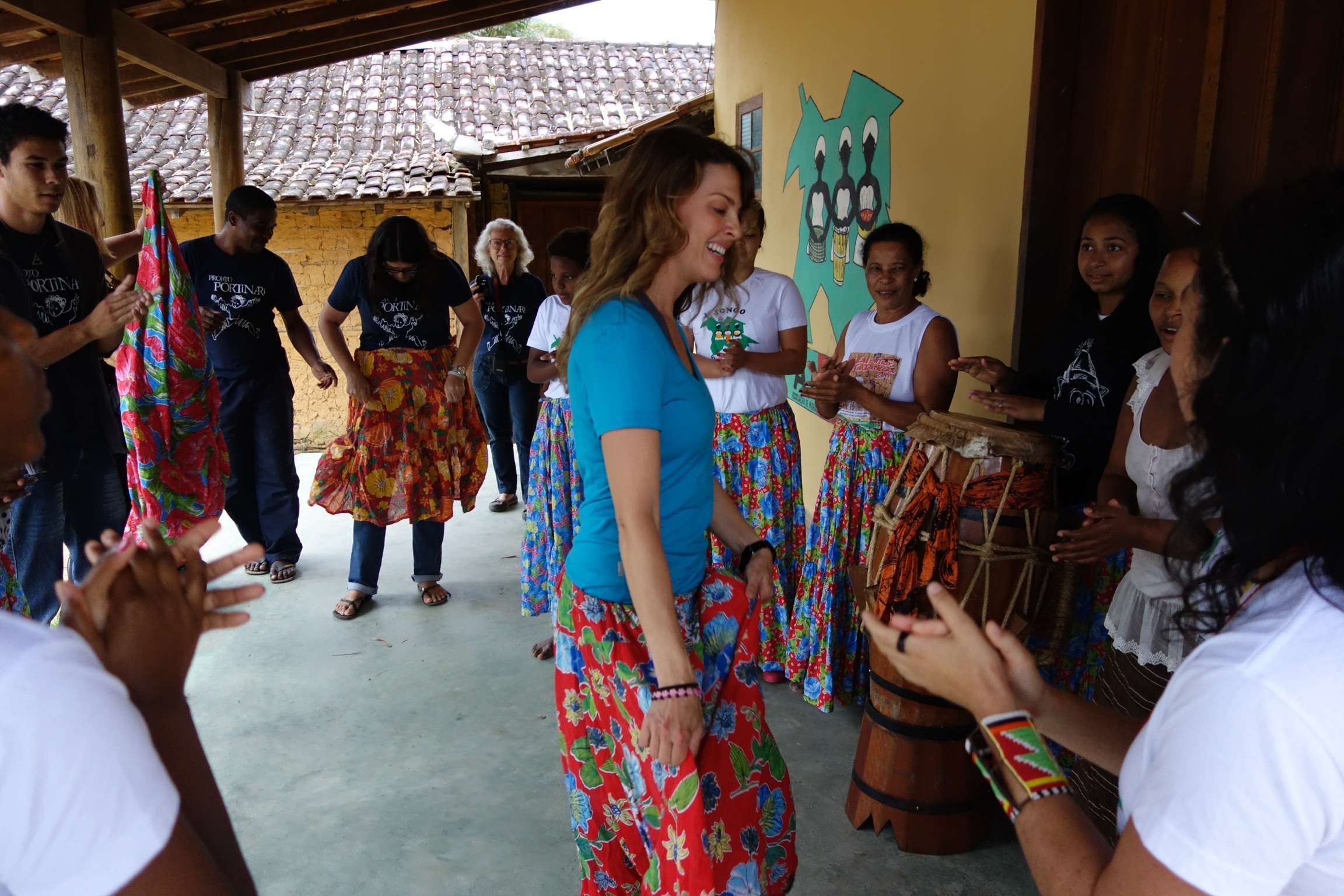 The visit was a throw back in time to family units born out of slavery living together on former slave owner land. The poverty was evident and so were the smiles, life is simple for them and the older generation likes that. The problem will be with the next generation that is already asking for the latest sneakers and cool american baseball caps. Playing with some of the younger kids was great, still in the phase of easily entertained by being thrown in the air or simply looking at us like we were aliens from another planet…
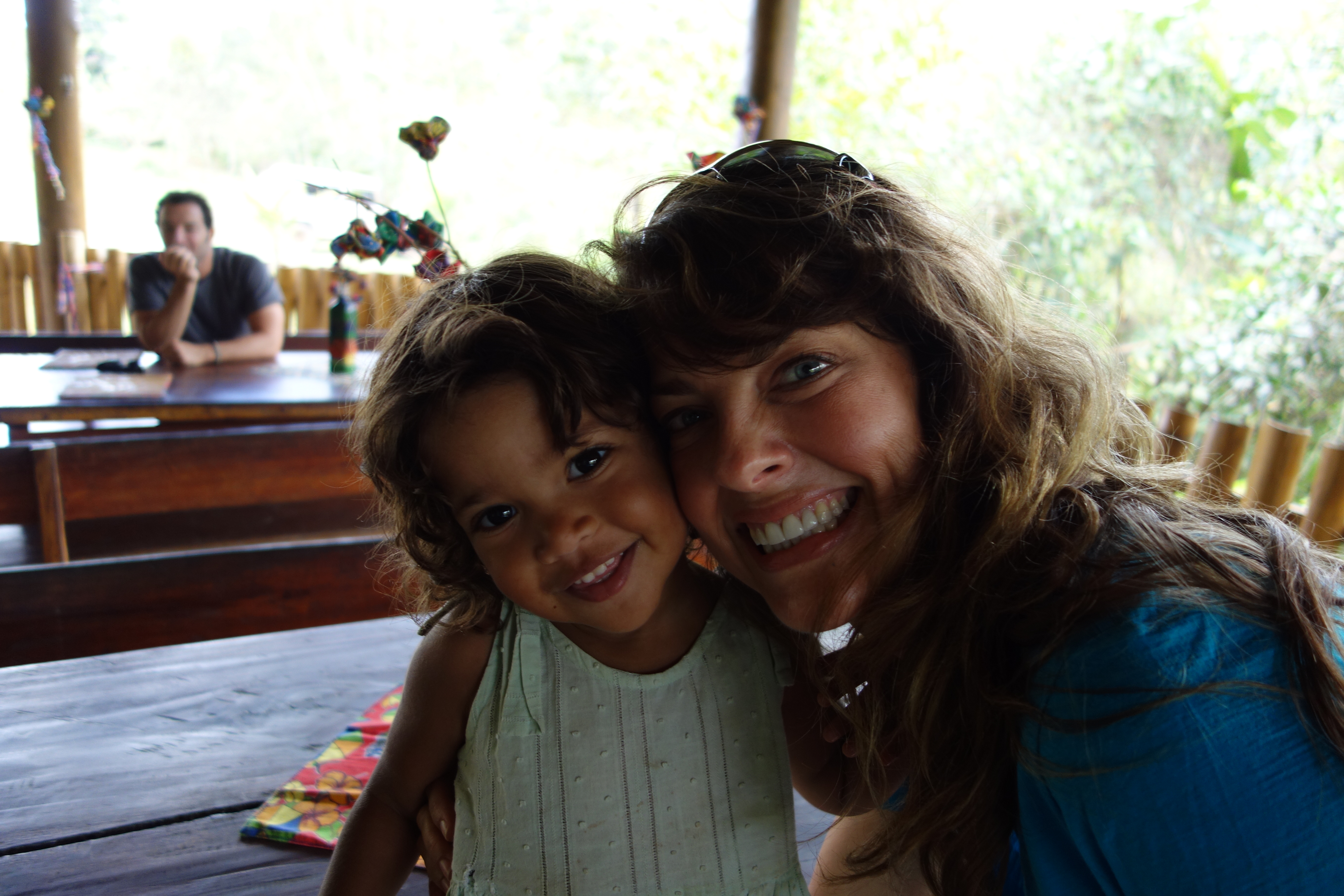
Linda’s new BFF, in brazil that is!

The entire time we were in the Galapagos, Amazon or hiking and biking in Brazil we never came nose to nose with Greg’s most feared enemy…the SNAKE…until we were walking down the path leaving our Pousada. 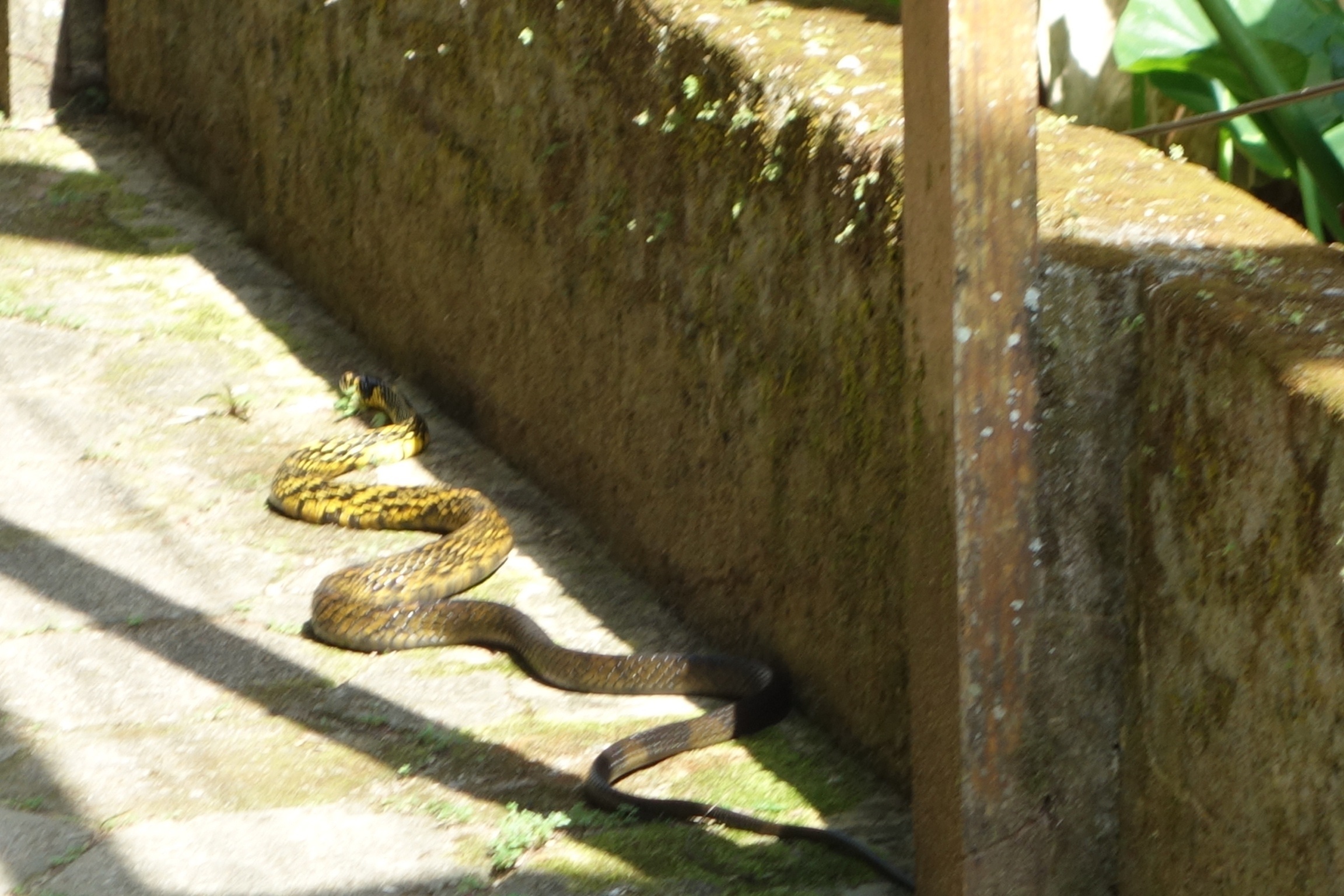 Greg was ahead of me and screamed back to me, “WATCH OUT!! SNAKE!!!” I walked up and saw Greg holding his crotch with eyes wider than Bart Simpson’s while seeing a black and yellow snake slither across the path. Greg turned on a dime and started calling, “CHRISTIAN…SNAKE…CHRISTIAN…SNAKE” while I tried to shoo it off the path, which I did in a after of minutes. I tried to yell to Greg that the snake was gone, to no avail. He ran faster that Zula Bud to get Christian to come back to save the day. Now, Greg says he ran to get Christian because he like sakes, but we all know that Greg was scared straight and Christian was the savior. Christian was upset to have missed the snake and Greg was glad it was gone. Christian went on to tell us that the snake sightings are very rare and Greg was so “lucky” to have seen it…of course, “lucky” isn’t Greg’s word choice. And wouldn’t you know it, when we went back to the Pousada later that day, the snake was waiting for Greg again and he grabbed his crotch again and called for Christian. Can you say Groundhogs day? I still haven’t figured out the crotch grab thing, other than Greg protecting the goods…but to each their own.
Loved Brazil…world cup 2014 anyone?? off to Peru and the Inca Trail 4 day hike with camping. Wish us luck!
BTW – Pleese exxuse typois, as we are on the MOVE!!! 🙂
Here are two links to more pictures:
– Paraty, Saco do Mamangua and Picinguaba















 wherearethediamonds